A roof tells the story of a house. You can see how water moves off it, where the sun bakes it, and where leaves collect year after year. What you can’t see as easily is what’s happening in the eaves, the soffits, and the tiny gaps behind trim that draw wildlife like magnets. Squirrels feel those warm attic drafts in late winter and know there’s shelter nearby. Starlings read the vibration of an unsealed vent as an invitation. Raccoons don’t need much more than a loose fascia board and a little persistence. The difference between a quiet roofline and a parade of unwanted tenants usually comes down to wildlife exclusion, not just pest control.
Over two decades of inspecting roofs and repairing damage, I’ve learned that exclusion is the calm, unglamorous craft that saves the most money and headaches. It is careful work, and its value becomes obvious once you tally the costs of ignoring small signs. The same soffit that drips quietly in spring can rot out by fall, leaving a three-inch run that a squirrel enlarges into a doorway. By the time you hear movement at dusk, you’re already two steps behind. A good wildlife exclusion plan puts you one step ahead.
How animals choose your roof
Most nuisance wildlife follow the same decision tree: food nearby, shelter above, and a safe route in between. Roofs paired with mature trees, bird feeders, pet dishes, or open trash tend to score high on that checklist. The details matter. Two examples from field notes:
- A 1950s cape with original wood soffits, half its vents painted shut. The attic was 15 to 20 degrees warmer than ambient on cold days, so squirrels used the warmth gradient to find seams. They chewed in at a hand-sized gap between gutter and fascia where the drip edge never met the shingle. A townhouse row with modern vinyl soffit panels and aluminum coil-wrapped fascia. On paper, everything was sealed, yet starlings nested behind the panels. The panels flexed at the corners, and the J-channel left a thumb-width space. Birds didn’t need to chew, they just slipped through.
Soffit and roofline weak points are predictable once you know where to look. Builders design for water, not wildlife. That means any point where material changes or airflow is required https://sites.google.com/view/aaacwildliferemovalofdallas/wildlife-control-near-me-dallas can become an entry site. Ridge vents, box vents, gable vents, attic fans, plumbing stacks, chimney counterflashing, satellite cable penetrations, and the seam where a porch roof meets a wall all deserve attention. The soffit itself is a vent and a finish element, not a structural barrier. Animals exploit that nuance.
What damage looks like up close
Chewing and droppings get the headlines, but the quieter damage causes the big bills. Insulation matted with urine loses R-value faster than people expect, sometimes by half. A raccoon latrine can stain drywall in a month. Bats leave guano in narrow wind rows that clog soffit baffles and trap heat at the roof deck. Starlings and squirrels bring in nest material that blocks soffit intake, turning a breathable roof into a heat trap. That heat bakes shingles from below, shortens their life by years, and adds to cooling costs.
Then there’s water. Once wildlife displaces soffit panels or pulls back drip edge, water changes course. I’ve traced ceiling stains to a two-inch gap above a gutter that started as a raccoon pry point. Every hard rain, water ran behind the fascia and soaked the rafter tails. The soffit board looked fine until I poked a finger through and found punky wood that you could crumble like toast. Animals only needed the first mistake. Water did the rest.
On the structural side, look for:
- Frayed or missing soffit screening behind decorative panels Chew marks on fascia corners, cable penetrations, and plumbing boots Displaced insulation forming “runways” and bowls Ammonia odor that gets stronger toward the eaves Slab-like piles of nesting material behind a single soffit section Dark staining below a ridge vent after a storm, a sign of uplifted vent covers
None of these alone prove you have an active invasion. Together, they point toward a roofline open for business.
Exclusion vs. control: why order matters
Nuisance wildlife management has two halves: solving the immediate problem and preventing the next one. Trapping or evicting animals without sealing a structure is just a reset button. Sealing a structure without confirming every animal is out creates worse problems, especially with maternal animals.
In practice, wildlife pest control follows a sequence: inspect, identify, remove or evict, seal, and monitor. The removal method depends on the species and the season. Squirrels in January demand extra caution; there may be dependent young by late winter in warmer regions. Raccoons often whelp in early spring. Bats require timing around maternity season, and in many states one-way devices are prohibited during those weeks to avoid trapping flightless pups inside. Good wildlife removal services check those calendars, confirm how many animals are present, and choose tools accordingly.
Once the residents are out, exclusion becomes the main event. This is where a wildlife trapper becomes a carpenter with a biologist’s eye. The craft is detail, not brute force. A handful of common sealing points, installed correctly, typically end the problem for years.
The anatomy of a roofline seal
A reliable exclusion job respects water flow first and animal behavior second. When water and wildlife goals conflict, wildlife work fails within a season. The best wildlife control plans use materials that also satisfy roofing and siding logic.
Key components include:
- Drip edge and starter strip alignment at the eaves so water sheds cleanly into the gutter. If the drip edge is lifted, animals pry it higher and water follows the pry. Re-secure with appropriate fasteners and seal only where water won’t be wicked back under shingles. Fascia reinforcement with corrosion-resistant screws, not nails that can work loose. Animals test flex. Screws deny it. If wood is soft, replace sections rather than trying to bridge with metal. Soffit underlay that provides a solid plane under vented panels. Many homes rely on the panel alone. A rigid backer and continuous 1/4 inch hardware cloth behind the vents turn the soffit from decoration into a barrier without impeding airflow. Gable and roof vent screening from the inside using galvanized hardware cloth with a 1/4 inch mesh. External covers that shed water and resist uplift help, but the inside screen is the insurance. For bats, reduce mesh size to 1/8 inch where code allows. Corner and return caps at fascia returns, the points where two lines of trim meet and form a tiny cave. Off-the-shelf metal returns or custom-bent coil stock can close the pocket that squirrels and birds exploit.
Materials matter. I’ve seen plastic bird netting used in soffits. It fails fast, tangles wildlife, and creates a cleanup mess. Go with hardware cloth, stainless or galvanized, 19-gauge or stronger in chewing zones. Sealants should be elastomeric and UV-stable for exterior use. Use them as a gasket, not as glue. If a bead of sealant is what’s holding a corner closed, a raccoon will find the edge and peel it like an orange.
Species-specific tactics at the eaves
Different animals push different weaknesses. You can learn a lot by the sign they leave.
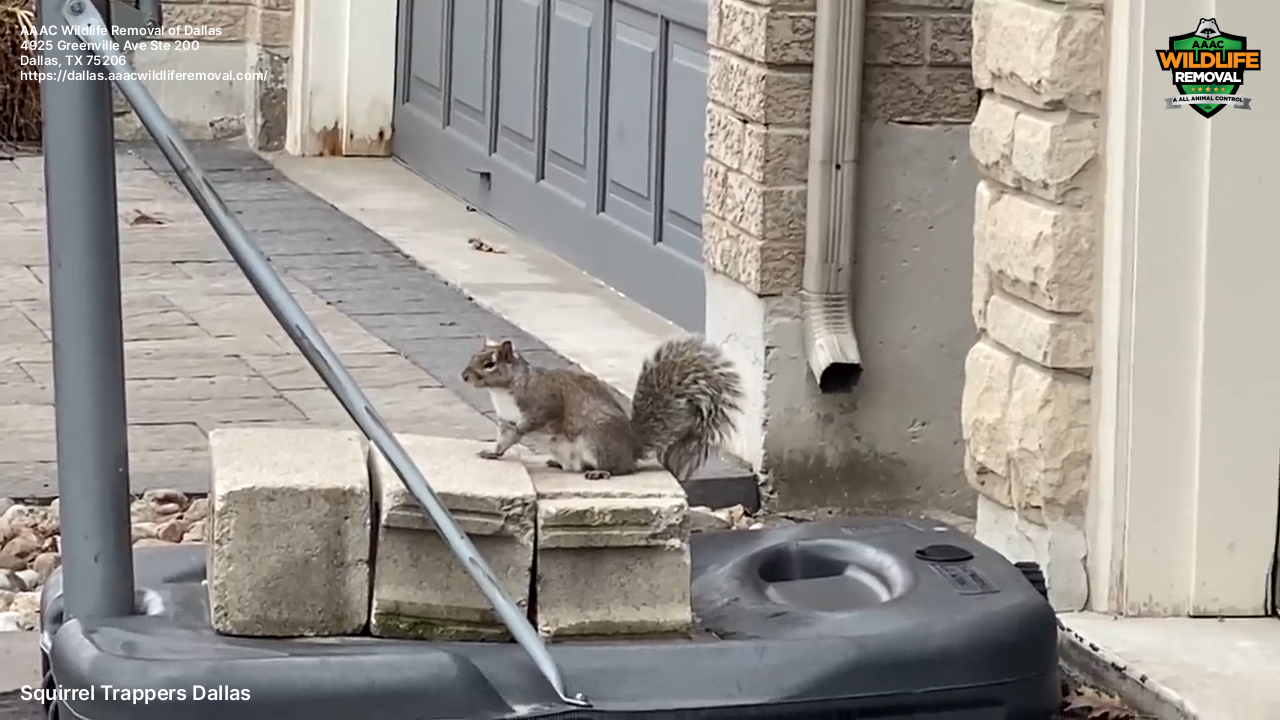
Squirrels tend to chew and test corners. They aim for the highest reward with the least work. Warm air leaking out of a soft corner is the neon sign. When squirrel pressure is high, I add a narrow steel rod along a fascia edge under the coil wrap. It’s subtle, looks clean, and removes the chewing bite. Once they lose their grip and their tooth purchase, they move on.
Raccoons pry. They choose soffit panels that flex and locations where a roof meets a wall. If a house has an attic fan, expect a raccoon to step on it as a platform, crush the housing, and widen the hole. For raccoon-prone homes, I like low-profile steel cages over fans and reinforced fascia returns with screws every four to six inches. They’re strong animals with sensitive hands. Anything that feels loose makes them try harder. Anything that feels rigid makes them lose interest.
Starlings and sparrows slip behind vented soffit and gable louvers. The cure is interior hardware cloth, tight to the frame, and exterior louver covers that shed water while denying a horizontal landing strip. Be mindful of airflow. Don’t choke an attic that depends on those vents. A well-executed exclusion leaves the net free area intact.
Bats exploit 3/8 inch gaps to roost. Their droppings accumulate under ridge lines and in soffit corners. No foam alone will keep them out. One-way devices installed during the proper season, followed by fine-mesh screening and a top-tier seal along all linear gaps, does the job. Patience helps. Bat work is slow compared to squirrel work, since the timing window matters and the sealing must be continuous, not just at obvious points.
When soffits tell you the attic is in trouble
Soffits do more than keep animals out. They are the intake for most attic ventilation systems. Block or shrink that intake, and moisture accumulates under the roof deck. In winter, frost can build on nails that pierce the deck, then melt and drip onto insulation. In summer, trapped heat warps shingles and pushes asphalt oils out, leading to granule loss and brittle tabs.
Wildlife often causes this indirectly. A squirrel nest in a soffit can fill the entire bay, from fascia to the first rafter. The attic may remain quiet while ventilation quietly fails. If you see patterns of mold or a musty smell near the eaves, treat the soffit as a system: clean the bays, restore baffles, and replace any sagging vent panels with ones whose net free area you can verify. Look for at least one square foot of net free ventilation per 300 square feet of attic floor when a continuous ridge and soffit system is in place. If you add screens, calculate net free area after screening, not before.
Finding the entry points without guesswork
I carry a short punch list that reduces missed holes. It’s the difference between an all-clear day and a call-back.
- Start at the ground, scan roof-to-wall intersections, valleys, and penetrations with binoculars. Look for discoloration, lifted shingles, offset soffit sections, and wavy coil wrap. Move to a ladder and test the fascia returns with a hand press. If the return flexes, assume it’s a candidate for reinforcement. Check under the first row of shingles at the eaves for a proper drip edge and starter strip. I measure how much the drip edge overlaps the fascia and whether the gutter apron is present. Open one soffit panel in each elevation to inspect baffles, screening, and evidence. Animals are creatures of habit. Sign in one bay reliably predicts sign in adjacent bays. In the attic, use a headlamp and look along the eaves for daylight and air movement. On a windy day, the eave line tells on itself. A smoke pencil is useful, but even a damp finger will pick up drafts precisely.
That approach cuts down on exploratory holes and avoids sealing healthy ventilation by accident.
Weatherproofing and aesthetics: getting it right from the street
Homeowners want their roofline to look normal, not armored. That’s reasonable. Most wildlife exclusion services can achieve both ends if they sequence materials well. I prefer to integrate metal where it disappears visually: under existing coil wrap, behind gutters, or beneath the lower course of shingle. When covers are necessary, matte finishes and color-matched powder coats blend with siding or fascia. Rivets and finish screws should be aligned and evenly spaced. A sloppy line invites the next contractor to pull it apart during gutter work.
Water rules should govern the final look. If a joint needs sealant, it should be out of the primary drip path. If a screen needs to span a louver, it should sit proud enough not to wick water into the wall cavity. Small things like hemmed edges on custom-bent metal reduce cuts during future maintenance and make the install feel intentional instead of improvised.
Common mistakes that keep me busy
Plenty of rooflines I visit have been “sealed” already. Here are patterns that fail within a season:
- Expanding foam used as structure. Animals bite and pull it, water breaks it down, and UV chalks it. Use foam inside cavities as a buffer or filler only after you’ve installed a hard barrier. Chicken wire in exterior applications. It loses shape, opens holes, and looks like a temporary farm fix. Hardware cloth holds form and denies the larger tooth purchase. Over-sealing vents and choking airflow. Attic moisture shows up as a “wildlife problem” later, especially when mushrooms or algae grow on the north slope shingles. The root cause was suffocated ventilation, not critters. Trapping animals without verifying presence of young. This leads to odors, desperate chewing, and preventable damage. Ethical wildlife pest control strategies avoid orphaning and the cascade of problems that follow. Leaving a ladder on site overnight. It sounds trivial, but raccoons and squirrels use ladders as ramps, and humans do too. The safest exclusion plan includes site discipline.
Costs that pencil out
Homeowners often ask whether prevention is worth it. Here are the numbers I see repeatedly:
- Squirrel chew-in with limited insulation damage: removal, sealing of two to three points, minor soffit reinforcement typically runs a mid three-figure to low four-figure sum, depending on access. The same problem left for a season easily doubles when you add insulation replacement and deodorization. Raccoon pry-out of soffit and attic fan damage: removal, fan cage, reinforced fascia and soffit work, sanitization and a few rafter tail repairs, usually mid to high four figures. Add a new fan and interior drywall repair, and you’re nudging higher. Bat colony exclusion: methodical and seasonal by law in many areas. One-way doors, continuous sealing, and guano cleanup can range widely. The swing depends on colony size and cleanup scope, but most single-family homes fall in the low to mid four figures for exclusion, with cleanup as an add-on.
Those costs look tame next to a roof replacement done five years early. Wildlife exclusion services buy time on your roof’s lifespan. That value rarely shows up on initial quotes, but it’s real when you track maintenance over a decade.
When to call a pro, and what to ask
DIY has a place. I’ve met homeowners who fabricated neat corner caps and installed hardware cloth behind gable vents with patience and pride. But there are times to bring in wildlife removal services that combine field biology with construction chops.
Ask for proof of species identification. A reputable wildlife trapper should show photos of entry points, droppings, and nests, not just describe them. Ask how they’ll confirm that every animal is out before sealing. For bats and birds, you want adherence to seasonal restrictions and humane one-way devices. For squirrels and raccoons, you want a clear plan so you aren’t creating orphans in the attic.
Press on materials. The phrase “wildlife exclusion services” should come with hardware cloth specs, mesh sizes, fastener types, and sealant brands. If a quote leans heavily on foam and caulk, keep looking. Finally, ask about warranty terms. Most companies will guarantee their seal for one to three years, sometimes longer if you follow maintenance recommendations. The warranty should name the species covered. A bat warranty is not the same as a raccoon warranty.
A seasonal rhythm that keeps soffits secure
Wildlife pressure changes with the calendar. Roof and soffit checks should follow that rhythm. In late winter, look for heat-loss clues and fresh chew. In spring, focus on nesting behavior and blocked vents. Mid-summer is a good time to address ventilation and airflow, when attic thermals show how well soffits are breathing. Fall invites gutter maintenance and a second look at fascia integrity, especially after heavy leaf loads and gutter cleanings that can loosen fasteners.
I also recommend a quick post-storm walk-around. Wind changes the status of ridge vents, flashing, and tree branches. A single snapped twig can create an aerial bridge for squirrels. That bridge plus one weak soffit panel is a recipe for a fall move-in.
A simple homeowner checklist for the eaves
- Walk the perimeter monthly and scan fascia corners, soffit panels, and roof-to-wall joints for movement or shadows that look out of place. Keep tree limbs trimmed back 8 to 10 feet where feasible, or at least beyond a squirrel’s easy leap when wet. Verify that soffit vents actually vent. If vinyl panels are purely decorative, install baffles and hardware cloth, then panels with rated net free area. Secure trash, remove bird feeders near rooflines, and store pet food indoors. Food and shelter travel together in the animal world. After any exclusion work, schedule a follow-up check in 30 to 60 days to confirm the seal held through at least one weather event.
Why exclusion outperforms reaction
Pest control reacts. It removes what’s there. Wildlife exclusion anticipates. It organizes a roofline so animals lose interest. The distinction shows up in the quiet that follows a good job. No thumps at dusk, no scratching behind drywall, no waft of musk in a warm attic. Just the soft draw of air through soffit vents and the steady path of water into the gutters.
If you’ve dealt with repeat wildlife issues, you already know that traps alone aren’t enough. You need a plan that treats your roof, soffits, fascia, and vents as a living perimeter. You need techniques that respect airflow and water. And you need someone who can read the little clues and turn them into the right fix the first time.
Solid nuisance wildlife management is part building science, part field craft. The result is a roofline that tells a better story, one where animals pass by, decide your home is too much effort, and move on to easier pickings. That’s the quiet you pay for, and it’s worth every minute you won’t spend listening for movement above the bedroom ceiling.