Homeowners rarely plan for raccoons in the attic or a possum under the deck. These situations arrive suddenly, usually announced by scratching at dusk or a sour smell that doesn’t go away. The instinct is to solve the problem fast. That urgency is valid, yet the method matters. Humane pest wildlife removal isn’t just kinder to animals. It reduces damage, limits legal risk, protects your family’s health, and lowers the odds you will face the same headache a second time.
I have spent years in nuisance wildlife management and have seen what happens when people chase quick fixes. Traps baited with marshmallows catch one raccoon, while two remain in the soffit. Poison tossed into a crawlspace sickens a rat, then kills the family dog that finds the body. A handyman seals a roof gap without checking for young, and you can imagine the outcome. Humane wildlife pest control takes a different approach. It aims to resolve the conflict with a complete plan, prioritizing biology, building science, and long-term prevention.
What “Humane” Actually Means in Wildlife Removal
The word humane has weight. It is not a marketing slogan, but a set of practices that respect both the animal’s welfare and the safety of the people living in the structure. In practical terms, humane pest wildlife removal includes:
- Correct identification of species and life stage, including whether young are present. Methods that avoid needless injury, such as one-way doors for eviction and relocation only when required by law or safety. Timing that accounts for breeding seasons, so young are not orphaned inside a wall. Repair and wildlife exclusion services that keep animals out without trapping them inside. Sanitation with proper personal protective equipment and disposal protocols to protect residents and pets.
These choices are not sentimental. They make the work cleaner, faster, and less risky. Put simply, humane methods align with how animals behave and how buildings fail, which leads to better results.
The Risks Hidden in “Quick Fix” Tactics
I’ve been called to properties where a can of foam was the only line of defense against determined squirrels. Foam slows drafts. It does not stop teeth that can gnaw through aluminum. Another frequent scenario is a homeowner who tried poison for rats in the attic. Rodenticides can push animals to die in inaccessible cavities, creating odor, maggot blooms, and secondary hazards for pets and scavengers. In many areas, using poison on non-target wildlife, such as squirrels or raccoons, is illegal.
Snap traps and improvised cages are common as well. The problem is not just ethics. It is control. You might catch one animal while two avoid the set and continue nesting. You might catch the mother while the kits remain behind. You might relocate a raccoon illegally, move diseases to a new area, or leave a territorial void that a new animal will fill within days. A humane plan does not rely on luck. It relies on process.
Why Species Identification Shapes Everything
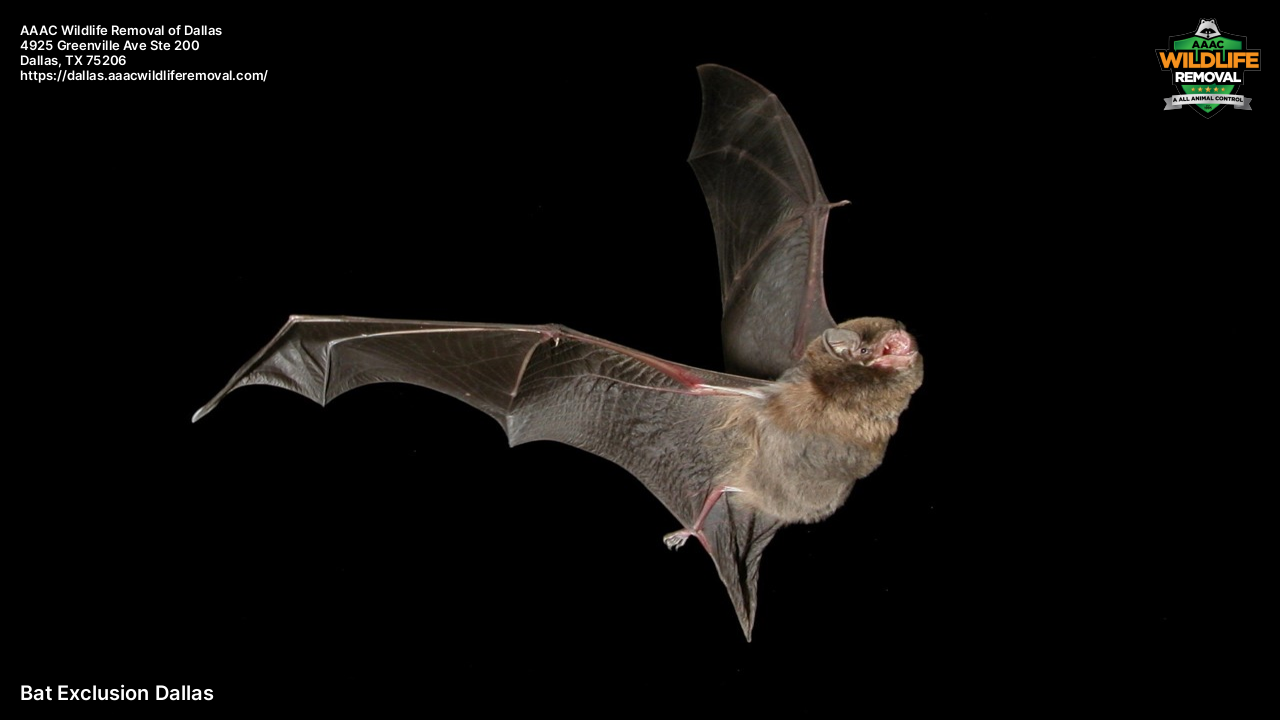
The first step in any responsible wildlife control job is to determine what species you are dealing with and why it chose your structure. This is more than matching droppings to a chart. You want to know whether it is a maternal den, a food-search route, or a winter shelter. Raccoons will pry open weak soffits and love warm attics for raising young in spring. Gray squirrels slip through gaps smaller than a golf ball and chew relentlessly to expand them. Flying squirrels are social and noisier at night in groups. Skunks tunnel under steps and decks, often where lattice meets soil. Bats follow airflow and can enter through quarter-inch gaps along ridge vents.
Species inform the solution. For bats, one-way exclusion devices installed during the right season are the gold standard, followed by sealing every secondary gap with appropriate sealant and hardware cloth. For squirrels, you address the active hole with a one-way door, fortify the perimeter with metal flashing, then remove food attractants like unsecured bird feeders. For raccoons with kits, you sometimes stage a soft eviction. Encourage the mother to relocate her young using light, sound, and predator scent, then set the one-way door once the den is empty. These are different playbooks because the animals and their biology are different.
Health and Safety Considerations You Should Not Ignore
Most homeowners fear rabies. The risk is small but real and varies by region and species. A wildlife trapper or technician trained in humane methods knows how to read behavior and avoid forced contact. The bigger day-to-day risks are often less obvious. Raccoon latrines can harbor roundworm eggs that survive harsh conditions and can infect people, especially children. Bats can leave guano that fosters Histoplasma spores if disturbed. Rodent droppings can transmit hantaviruses or salmonella. Amateurs stirring up insulation may aerosolize contaminants and spread them through the HVAC system.
Humane wildlife removal services build safety into the workflow. That means respirators rated for the hazard, sealed bags for waste, HEPA vacuums, disinfectants appropriate for the pathogen, and protocols to avoid cross-contamination. It also means understanding where not to place traps, how to document bites or scratches, and when to loop in public health authorities. Compassion is part of it, but expertise is the core.
The Economics of Doing It Right Once
Humane work is not always the cheapest line item on a quote. It can be the least expensive option by the second season. Think of costs in layers. The immediate expense includes inspection, any temporary eviction devices, and the first round of sealing. The next layer is remediation: replacing fouled insulation, cleaning droppings, deodorizing, and correcting moisture patterns that attracted insects and the animals that feed on them. The final layer is prevention: long-lasting wildlife exclusion services like screen guards on roof vents, metal flashing around pipe chases, chimney caps, foundation vent covers, and reinforced soffit returns.
When you add up callbacks, repeated damage, and the value of your own time, the humane, full-scope solution wins. I have returned to homes three and four times where the initial job was just trapping, no sealing. The animals always find the path back, or a new one. It only ends when the building is tougher than their habits.
Case Notes From the Field
One spring, a client complained of chirping behind the stove vent. The pest control company they called first set lethal traps in the attic and caught two squirrels, then sealed the vent hood. The noise continued. By the time we arrived, three nestlings had died in the vent line and the odor was moving through the kitchen. The humane approach would have started with scope: listen at different times of day, run a camera up the duct, confirm young, and install a one-way door at the hood only after the nest was removed or the mother encouraged to relocate. We ended up cutting the duct, hand-removing the nest, disinfecting, and replacing the line, plus fortifying the hood with a stainless screen guard. The final bill was higher than if the first call had been routed to a wildlife removal specialist with humane practices.
Another case involved raccoons in a slate roof. The owner wanted them gone before a backyard wedding. Trapping was risky due to kits, and the roof made access tough. We used light and disturbance at the den site for three nights, monitored with a thermal camera, then installed a one-way exit over the active hole. Once movement ceased, we pulled the device, replaced broken slates, slid copper flashing under the affected course, and screened two passive vents discovered during the inspection. The wedding went forward without nighttime thumping over the guest room, and more importantly, without orphaned kits.
How Humane Removal Aligns With Law and Liability
Wildlife laws are not suggestions. Many species are protected, and even common nuisance animals have strict rules around relocation and methods. For example, in many states you cannot relocate raccoons more than a few miles, or at all. Bats cannot be excluded during maternity season. Using certain trap types on specific species may require a license. If a neighbor’s pet is injured by a device you placed, you can be liable.
Professional wildlife control operators who practice humane methods keep permits up to date and follow state and federal guidelines. They document their steps, provide photos of entry points and repairs, and give you a written warranty that covers realistic time frames and conditions. This reduces your exposure and speeds resolution if issues arise.
Anatomy of a Humane Service Visit
I tell clients that the first visit sets the tone for the entire job. It should feel thorough, not rushed. Expect a conversation about recent noises, smells, and timing. A good inspection includes the roofline, soffits, gables, ridge vents, chimneys, and every utility penetration. Technicians look for rub marks, tracks, droppings, compressed insulation trails, and entry holes. They will pop attic hatches and crawl under decks if the structure allows.
From there, you should receive an explanation of options. For a typical attic squirrel scenario, the sequence might be: install a one-way door on the primary hole; seal all secondary holes and gaps with metal, not foam; return after several days to confirm no activity; remove the door and close the final opening. If a nest is present and too young to travel, the plan adjusts to a hands-on removal to a reunification box outside the entry, where the mother retrieves them. For bats, the plan changes further, with timing set outside maternity season and devices tailored to bat behavior.
The final step is sanitation and exclusion upgrades. This is where the work earns its long-term reputation. Dryer vents get critter-proof covers. Chimneys get caps sized for the flue. Foundation vents receive louvered covers with mesh small enough to stop mice. Gaps at gutter returns receive formed metal. These are not cosmetic tweaks. They turn your home from an easy target to a hard one.
Traps, One-Way Doors, and Where They Fit
Humane removal is not trap-free. It is trap-literate. There are times when trapping is necessary, such as when an animal is injured, or when a one-way exit will not work due to structure or timing. The difference lies in how traps are set, monitored, and handled. Bait choice should be species appropriate and positioned to avoid non-target animals. Traps should be checked frequently, often daily. Tools to reduce stress, like trap covers that darken the space, are basic professionalism. Relocation decisions must follow law and good biosecurity. Often, the better outcome is targeted euthanasia carried out humanely by licensed personnel when relocation would cause suffering or disease spread. These are hard realities that professionals address with transparency. Humane does not mean naive.
One-way doors, when used correctly, are the unsung hero of wildlife exclusion services. They allow animals to exit on their schedule and prevent reentry. They shine with species that maintain strong site fidelity, like squirrels and raccoons. The critical piece is sealing every alternative hole before or at the time of installation. Miss one, and the animal will find it. Proper devices are robust, often metal, and sized to the species. I have seen hardware cloth funnels work beautifully on bats when combined with meticulous sealing along ridge caps and fascia lines.
The Role of Habitat and Food Around Your Home
Wildlife chooses your house for a reason. Sometimes it is the only warm cavity in a row of new construction. Often it is because your yard offers cover and food. Bird feeders spill seed that feeds squirrels and rats. Pet dishes on the porch attract raccoons, skunks, and opossums. Dense ivy against a foundation hides entry holes and invites rodents. Clogged gutters create water and insect blooms that bats and birds follow.
Humane nuisance wildlife management takes the whole property into account. That might mean moving the feeder farther from the structure and installing a baffle. It might mean trimming branches back at least 8 to 10 feet from the roofline to deny easy access. It might involve replacing a rotted crawlspace door with a sealed, latched unit and adding half-inch hardware cloth along the base of a deck apron, buried several inches to deter digging. These are mundane tasks that prevent great drama.

What to Expect From a Qualified Provider
Choosing between wildlife removal services can feel like sorting through identical brochures. The differences show up in process and communication. Ask how they determine whether young are present. Ask what materials they use for sealing and why. Ask what their warranty covers and for how long. A serious operator will talk about inspection, eviction or trapping protocol by species, and exclusion materials like galvanized steel mesh, copper mesh for gaps, sealants rated for UV and movement, and custom-bent flashing. They will avoid overpromising. Wildlife control is not an instant switch, it is a controlled sequence.
Expect clear pricing for each layer of work: removal, sealing, and sanitation. Expect photos before and after. Expect scheduling that respects breeding seasons. Expect coordination if multiple trades are involved, such as roofers or HVAC techs when ducting must be replaced. Ideally, you also receive a short punch list for ongoing prevention, tailored to your property and how you live.
Homeowner Mistakes Worth Avoiding
I keep a short mental list of decisions that make wildlife issues worse. The first is sealing holes the same day you discover them, without confirming activity and young. The second is scattering poison meant for rats when you are actually dealing with squirrels or birds, inviting legal trouble and dead animals in the walls. The third is relying on expanding foam as a barrier where metal belongs. The fourth is ignoring the sounds because they are intermittent. Many species move in tight cycles tied to weather and young. Intermittent does not mean gone. Finally, hiring a general pest control company for a complex wildlife job can backfire. Pest control often focuses on insects and rodents inside, while wildlife pest control is a different discipline. The best firms handle both, but the tech’s training matters.
A Simple, Humane Homeowner Playbook
For homeowners who want to act responsibly before a professional visit, a short playbook helps:
- Document what you see and hear, noting times of day and locations. This helps identify species and patterns. Do not seal any opening until activity and the absence of young is confirmed by a professional. Remove attractants for the interim: secure trash, bring pet food inside, clean up spilled seed under feeders. Isolate pets from suspect areas and avoid entering tight voids where an animal might feel cornered. Call a licensed wildlife control provider that offers inspection, removal, sanitation, and exclusion in one plan.
That sequence aligns with humane principles and avoids creating bigger problems.
When Humane Means Slower, and Why That Can Be Better
There are times when the humane route takes a few extra days. A bat colony in midsummer cannot be excluded if it https://sites.google.com/view/aaacwildliferemovalofdallas/wildlife-control-near-me-dallas risks trapping flightless pups inside. A raccoon with week-old kits will not abandon them, and a hasty trap set for the mother creates orphans. These delays can frustrate a homeowner, especially when noise interrupts sleep. The trade-off is avoiding odor events, structural damage during panic, and legal violations. A professional can often mitigate the nuisance during the wait with temporary barriers, noise management, and odor control, then complete the exclusion at the earliest safe window.
Integrating Humane Removal With Home Maintenance
A home that resists wildlife usually excels in other ways. Tight soffits keep out bats and moisture alike. Clear gutters prevent ice dams and reduce mosquito breeding. A well-sealed crawlspace with proper ventilation reduces mold, saves energy, and denies rats a runway. When we deliver wildlife exclusion services, we often flag unrelated issues like loose flashing, unsealed utility penetrations, or a sagging ridge vent. Addressing these at the same time as the wildlife problem can save two service calls and prevent future surprises.
Regular maintenance helps. A semiannual roofline walk, even from the ground with binoculars, can identify open screens or lifted shingles. After a storm, look for debris paths that signal damaged areas. A simple yard tour every month or two, eyes on foundation vents and deck skirts, catches new digging or nesting early. Prevention is less dramatic than a midnight chase with a flashlight, and much more effective.
The Ethical Dividend
People often care about wildlife more than they admit in the moment of conflict. The decision to use humane pest wildlife removal satisfies practical goals and a moral one. Raccoons, squirrels, and bats are not villains. They are opportunists exploiting gaps in a built environment. When we guide them out without needless harm and then fix the gaps, the result feels better. It also speaks well of a neighborhood. Cities and suburbs that normalize ethical practices see fewer DIY poison episodes, fewer injured animals wandering into yards, and fewer secondary poisonings of hawks or pets. Humane methods scale in that way, household by household.
Choosing the Right Path for Your Home
If you are hearing noises overhead or seeing damage at dawn, treat it as a cue to act, not to panic. Look for a provider whose work covers inspection, removal, cleaning, and exclusion under one roof. Ask specific questions. Expect an explanation tailored to your species and structure, not a generic pitch. Be skeptical of any plan that hinges on poison for non-rodent wildlife, that seals holes without checking for young, or that cannot show you the exact materials going into your home.
When done well, humane wildlife control ends with quiet nights and hardware you can point to. The attic smells like insulation again, not ammonia. The kitchen vent hums without chirping. The chimney cap gleams in the sun. Most of all, the same problem doesn’t circle back next season. That peace of mind is the real measure of better.
By aligning with humane methods, you are not only choosing a kinder route. You are choosing a smarter framework for nuisance wildlife management, one that respects the animal, the law, and your property. That alignment is where lasting solutions live.